

How To Get Paint Off Headlights

Without a dubiousness, indoor painting is a common home improvement project. After all, there's no easier way to completely transform a space. However, that splash of colour may not exist completely risk-complimentary. That is, with proper ventilation, and in the right conditions, painting tin be a perfectly prophylactic activity, but if you aren't careful — or if you're working in an surroundings with poor ventilation — the use of paints that give off dangerous fumes can lead to harmful health furnishings.
Latex:

Latex paint is commonly used for indoor projects because information technology can be easily cleaned and dries relatively quickly. However, information technology can cause stomach discomfort or airsickness if ingested, fifty-fifty though it is non poisonous.
Oil-based:
Oil-based paints are irritating to the pare. If ingested, oil-based paints pose a greater risk than latex paints. If oil-based paint is aspirated (inhaled) during choking, it can lead to pneumonia in the lungs.
Solvent-based:
Solvent-based paints can crusade skin irritation likewise. Additionally, they give off fumes that, when inhaled, can pb to unsafe symptoms.
What Makes Paint Fumes Dangerous?
VOCs, or volatile organic compounds, are a byproduct of either solids, liquids or a combination of both in paint. When paint is applied, the byproduct is released into the atmosphere in the form of a gas (pigment fumes). VOCs are more often than not nowadays at a higher concentration when painting indoors — in fact, as much as x times higher than when painting outdoors.

The term VOC refers to a variety of different chemicals, many of which tin have a negative effect on a person's wellness. In addition to paints, VOCs tin as well be plant in many other products, including:
- Lacquers
- Varnishes
- Cleaning products
- Pesticides
- Office printers
- Carbonless copy paper
- Glues
- Adhesives
- Permanent markers
- Photocopiers
- Fuels
- Cosmetics
- Crafting materials
Negative Health Effects Caused By the VOCs in Paint Fumes
In that location is a wide variety of both short-term and long-term negative health effects associated with VOCs in paint fumes. The severity of the wellness effect depends on several different factors, including both the length of time and the level of exposure. Some examples of short-term, temporary side effects include:

- Irritation of the eyes, olfactory organ, pharynx or and/or respiratory tract
- Visual disturbance
- Headache
- Loss of coordination
- Nausea
- Lightheadedness
- Dizziness
- Allergic skin reaction
- Fatigue
- Memory impairment
Some of the conditions above tin become chronic in individuals who are regularly exposed to VOCs in paint fumes either in the home or at work. Long-term health effects of VOCs may include:
- Liver damage
- Kidney damage
- Central nervous system damage
- Certain types of cancer
- Asthma
How Long Do VOCs Last?
The odour emitted from freshly dried paint is a consequence of the ingredients within the pigment that make it a liquid substance. These substances evaporate into the air while the wet paint is drying. The wetter the paint, the more substances are released into the air and the stronger the odor. Equally the liquid portion of the paint continues to evaporate, odorous paint fumes proceed to form. Every bit evaporation gain, the procedure of dispersion too occurs.
Dispersion occurs when the fumes mix with the air and are dispersed into the environment. As dispersion occurs, more and more of the fumes are carried throughout the air, which makes them less concentrated, and the olfactory property less stiff. When the paint is dried entirely and the fumes are completely dispersed, the odour eventually disappears. Remember: VOCs are at their highest concentration when pigment is freshly wet.
Paint Fumes and Pregnancy
Many healthcare professionals recommend that pregnant people avoid exposure to pigment so as to avert potential fumes. Exposure to VOCs in paint is believed to be associated with an increased risk of miscarriage. Additionally, babies and immature children should not be exposed to moisture paint as they are more than susceptible to damage from its effects.

How to Protect Yourself
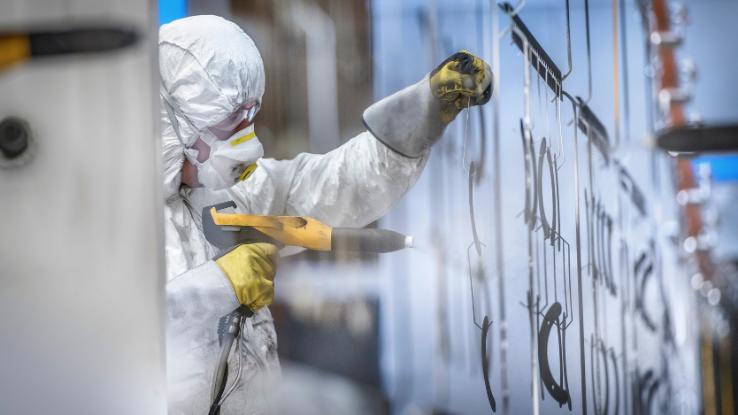
When painting or using other substances that may contain VOCs, it is recommended that one use appropriate personal protective equipment (PPE). This includes gloves, which helps ane avert straight contact with paint, and a mask that contains a filter, which reduces the number of harmful particles 1 is inhaling.

In addition, employ of these substances is not recommended in enclosed spaces, where there is inadequate ventilation. Try to pigment outdoors when possible. If you retrieve you accept been exposed to paint fumes and are feeling any of the aforementioned symptoms, it is important to contact your healthcare provider immediately.
Resource Links:
- National Majuscule Toxicant Command
- Scientific discipline Direct
- United States Ecology Protection Bureau (EPA)
Source: https://www.thehealthfeed.com/healthy-living/paint-fumes-dangerous?utm_content=params%3Ao%3D1668962%26ad%3DdirN%26qo%3DserpIndex&ueid=b1f35120-8706-40a9-823d-01226449df6e
0 Response to "How To Get Paint Off Headlights"
Post a Comment